
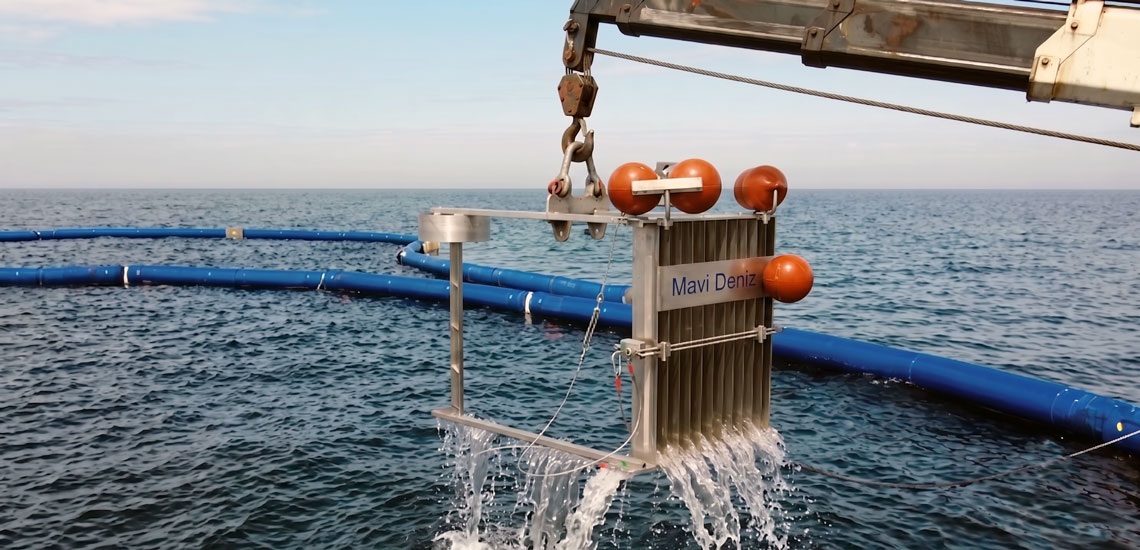
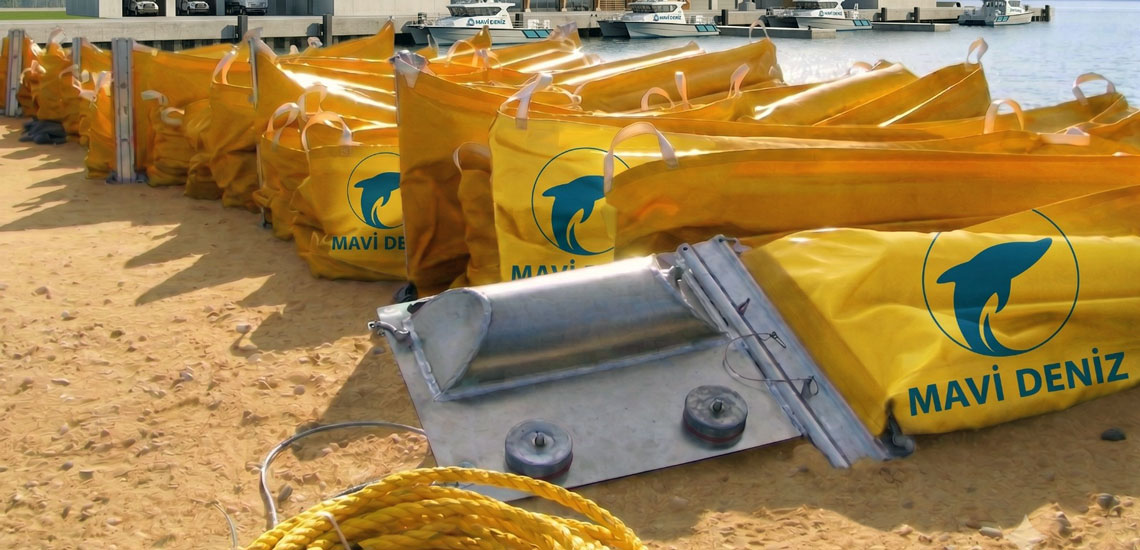
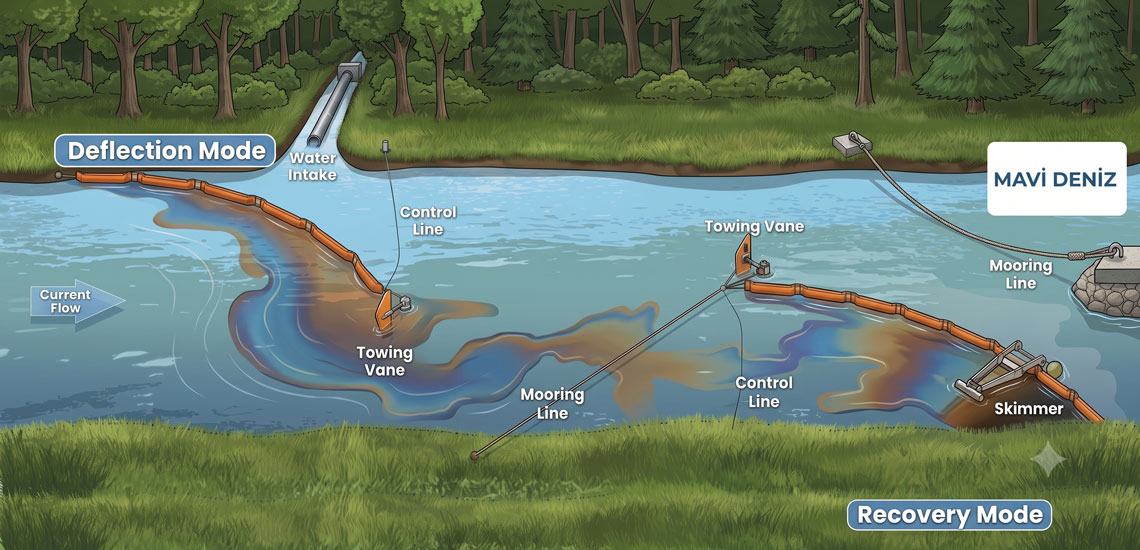
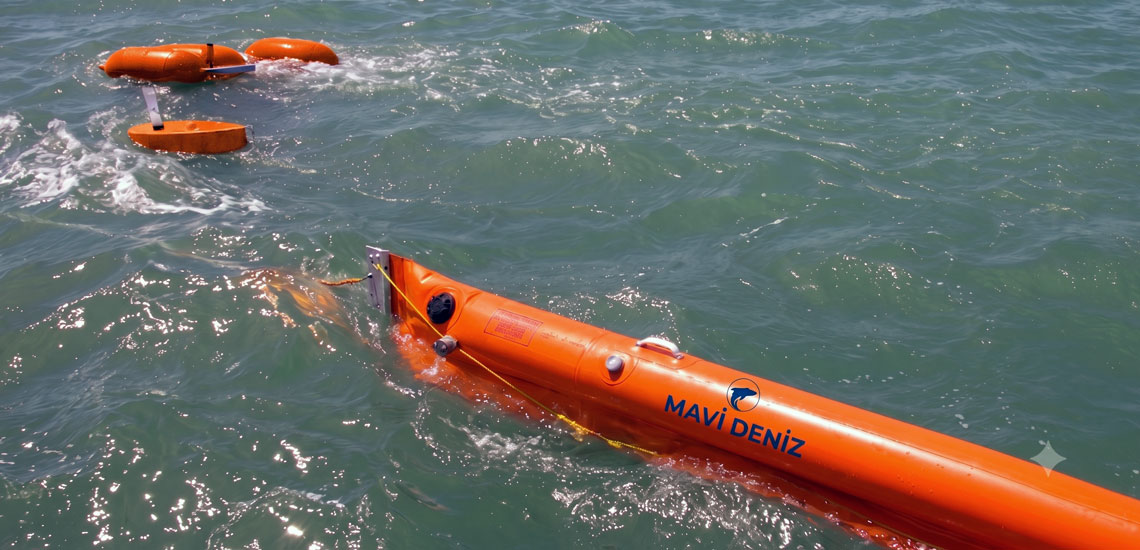
A Towing Vane is a highly specialised piece of oil spill response equipment used to deploy containment booms into rivers, estuaries, and open waters without the need for a second towing vessel. Powered entirely by the water’s current or the forward momentum of a single towing vessel, it combines the science of sailing with the mechanics of flying a kite in the water.
.
Traditionally, deploying a containment boom into a moving body of water requires at least two boats, anchors, and a large team of responders. A Boom Vane simplifies this by catching the current to pull the boom out from the shore or away from a single deployment vessel. This cuts down on deployment time, reduces personnel needs, and eliminates the fuel and carbon footprint of a second vessel.
Oil containment booms are highly sensitive to speed. If you tow an oil boom through the water any faster than 0.7 to 2.0 knots, the hydrodynamic pressure forces the surface oil to dive underneath the boom—a failure known as entrainment. Oil spills frequently occur in or drift toward shallow environments: rivers, estuaries, coastlines, and harbours.
In an environmental emergency, time is everything. A couple of responders can carry a BoomVane (designed for oil), toss it off the side of a small fishing boat, or deploy it directly from a riverbank using hand-tied mooring lines.
Rivers and oil spill zones are often littered with debris—logs, trash, kelp, and wreckage. Oil response tools (like the BoomVane) are designed with spaced-out vertical vanes that allow smaller debris to wash right through without snagging.
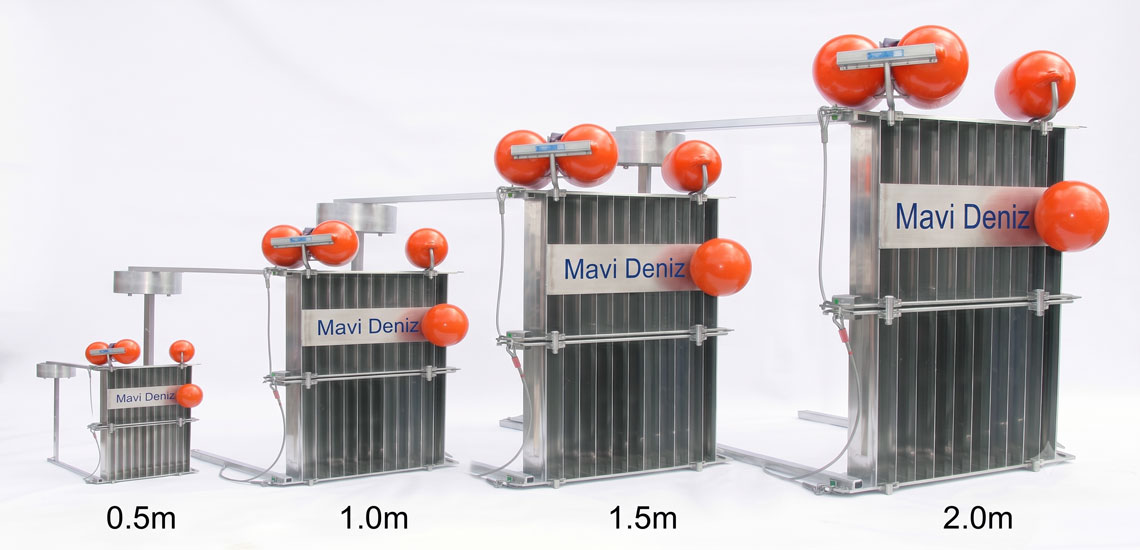
Towing Vane Types
| Size | Best For | Typical Boom Length |
| 0.5 m |
Shallow rivers, calm inland waterways, and fast currents. | Up to 50 meters (150 ft) of shallow-draft boom. |
| 1 m |
Wider rivers and coastal areas. Can be operated from shore or small vessels. | 75–90 meters (250–300 ft) of shallow-draft boom. |
| 1.5 m |
Coastal operations and harbours. Provides higher bollard pull at lower speeds. | 100–150 meters (300–500 ft) of near-shore boom. |
| 2 m |
Offshore environments and large vessel operations. Handles heavy wave action. | Long, heavy offshore containment systems. |
Towing Vane Deployment Options
| Feature | Shore-Based | Boat/Vessel-Based |
| Power Source | Natural river current | Vessel’s forward motion |
| Primary Environment | Rivers, streams, estuaries | Harbours, coastal waters, offshore |
| Primary Benefit | Deploys boom without needing a boat | Eliminates the need for a second boat |
| Typical Retrieval | Tripping a reversible rudder via a control line | Winching it in or backing the vessel down |
| Common Sizes | 0.3m, 0.5m, 1m | 1.5m, 2m |