
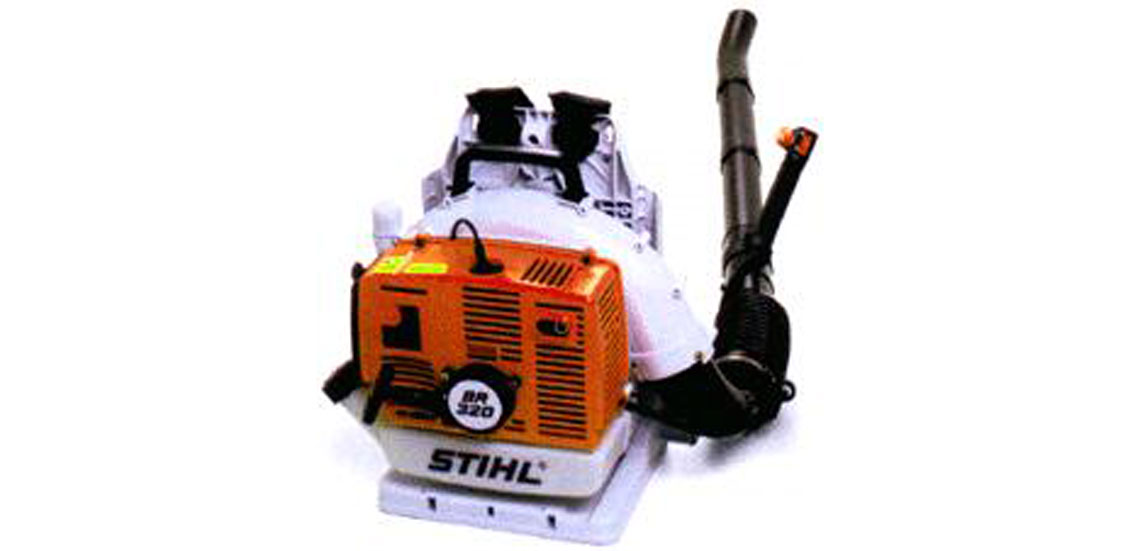
A portable blower for an oil boom (often called an inflation backpack or boom inflator) is a specialised, high-capacity air pump used to rapidly inflate the buoyancy chambers of inflatable oil containment booms during a spill response.
Unlike solid-flotation booms (which have foam blocks built inside them), inflatable booms are stored flat on large reels to save space. As the boom is unreeled into the water, a responder uses the portable blower to fill each segment with air so it can float and create a barrier against the oil.
Here is a breakdown of its key features and functions:
Key Characteristics
- High Volume, Low Pressure (HVLP): Inflatable booms require a massive volume of air very quickly, but they do not require high pressure (unlike a car tyre). Portable blowers are designed to move hundreds of cubic feet of air per minute at a low PSI to prevent rupturing the boom fabric.
- Portability: They are typically designed as backpack units or lightweight hand-carried units. This allows a single operator to remain highly mobile, moving along the deck of a deployment vessel or walking down a dock to inflate successive air chambers as the boom is deployed.
- Specialised Connections: The blower hose is fitted with specialised inflation nozzles (such as Monsun, Leafield, or universal adapters) that lock tightly onto the boom’s air valves. This ensures a hands-free, leak-proof seal while the chamber is filling.
Power Source:
- Gasoline-Powered: Most commonly, they use small 2-stroke or 4-stroke gas engines (very similar to a commercial leaf blower). This allows them to be used in remote areas, on small workboats, or on shorelines where electricity is unavailable.
- Electric/Battery: Some modern or indoor-use models are electric, relying on rechargeable batteries or a ship’s generator.
Why It Is Essential in Spill Response
- Speed of Deployment: In an oil spill, rapid containment is critical to prevent environmental damage. A high-powered portable blower allows response teams to deploy hundreds of feet of boom in a matter of minutes.
- Space Efficiency: Because inflatable booms require a blower to function, ships and response trailers can store drastically more boom on a single reel compared to bulky, solid-foam booms.
- Deflation: Many portable blowers also have a “reverse” or suction function. After the spill is cleaned up, the blower can be used to completely suck the air out of the boom chambers, allowing the boom to be rolled up as tightly and flatly as possible for storage.