
“We are an environmental and marine technology company.”
Mavi Deniz Environmental Protection Services is a Turkish environmental technology and services company based here in Istanbul. Originally rooted in shipbuilding and repair under the BASARAN Group, Mavi Deniz was officially established in 2003.
Our core mission is to protect aquatic ecosystems—oceans, rivers, lakes, and coastlines—through advanced pollution control and spill recovery solutions. They are ISO 9001- and ISO 14001-certified, and our specialised equipment and services are used in more than 45 countries worldwide.
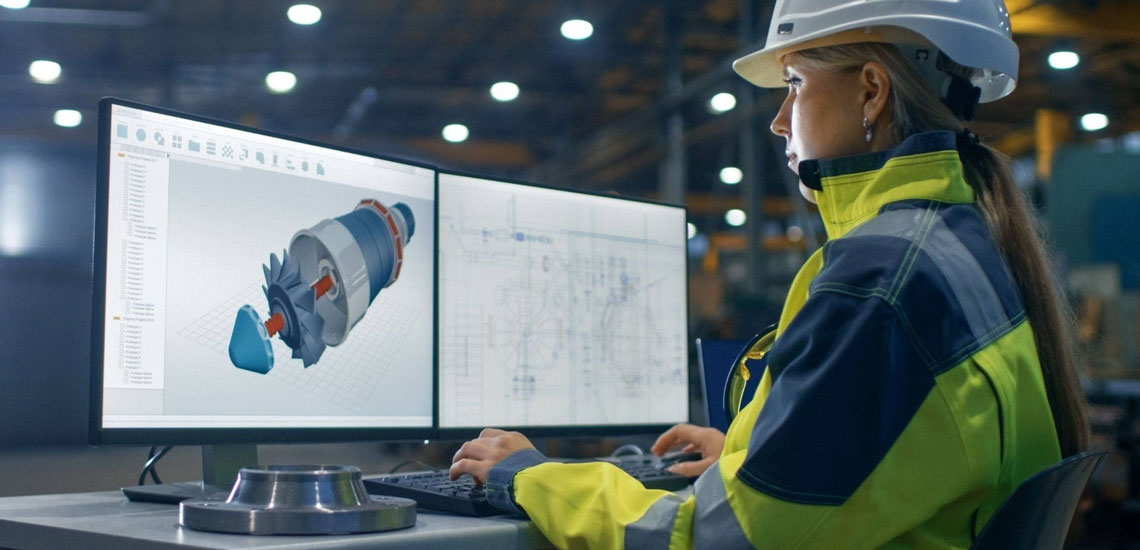
Knowledge and technology are the reasons behind Mavi Deniz’s success. With a high level of knowledge, R&D, and engineering required to build our products and services!
R&D and Innovation Focus
To stay competitive in the environmental sector, Mavi Deniz focuses on internalizing and advancing strategic technologies. Our R&D initiatives (which date back to 1990) drive our ongoing transition from standard maritime operations to highly specialised environmental technology.
-
Materials Science and Digital Integration: Our scientists and engineers analyze new materials and develop analytical equipment tailored for nature preservation and the modern “digital factory” model.
-
Sustainability & Traceability: Innovation efforts are strictly focused on designing safer, more sustainable products that actively reduce waste, minimize environmental risks, and provide clear traceability across supply chains.
-
Prototyping & Modernisation: They invest heavily in continuous design and rapid prototyping to upgrade existing pollution-response equipment, ensuring it complies with the latest environmental codes and dynamic customer specifications.
-
Operational Efficiency: A key innovation goal for Mavi Deniz is to develop reliable, easy-to-use, and environmentally friendly spill-response products that enable the fastest possible emergency deployment while maintaining optimal operational costs.
Here are the most accurate and powerful ways to understand Mavi Deniz:
1. An “Environmental Technology” (or Cleantech) Company
This is the most accurate label. It tells the world exactly what you do: you use advanced engineering and technological knowledge to solve environmental problems, clean oceans, and manage pollution.
2. A “Marine Technology & Engineering” Firm
Because you build multi-purpose vessels, amphibious machines, and maritime equipment in-house, this highlights that our technological expertise lies in naval architecture, marine mechanics, and applied hydro-engineering.
3. An “Advanced Manufacturing” Company
This highlights exactly what you mentioned: our deep in-house knowledge, R&D, and physical capability to manufacture highly complex machines from raw materials to finished products.
4. An “Industrial Technology” Company
This sets you apart from a “software tech.” It shows that our technology is physical, heavy-duty, and designed for industrial applications such as pipeline spills, dredging, and heavy marine operations.
Knowledge and technology are the reasons behind Mavi Deniz’s success. With a high level of knowledge, R&D, and engineering required to build our products and services!
Here is a breakdown of the highly complex, technology-driven work, specific engineering fields, and technical details that drive Mavi Deniz’s manufacturing and success:
Naval Architecture and Marine Engineering
Building specialised environmental vessels requires complex marine engineering that goes far beyond standard boat building.
-
Amphibious Dynamics: Designing vessels that can transition seamlessly from deep water to shallow swamps and dry land requires highly specialised hull designs and weight distribution calculations to maintain stability in unpredictable environments.
-
Shallow Draft Engineering: Workboats and trash skimmers must be engineered to operate in extremely shallow rivers and marinas without running aground, requiring precise buoyancy and displacement engineering.
-
Specialised Propulsion: Integrating multi-directional propulsion systems enables vessels to manoeuvre in tight spaces (such as harbours) while towing heavy oil booms or operating heavy dredging equipment.
Mechanical and Hydraulic Engineering
The core of our pollution recovery equipment relies on advanced mechanical and hydraulic systems designed for extreme reliability under harsh conditions.
-
Hydraulic Power Transfer: Engineering closed-loop hydraulic power units (HPUs) that drive heavy-duty skimming heads, dredging pumps, and deck cranes simultaneously without overheating.
-
High-Viscosity Pumping Systems: Designing and integrating positive displacement pumps (like lobe or Archimedes screw pumps) capable of moving highly viscous, heavy crude oil or thick mud that would destroy standard water pumps.
-
Kinematic Mechanisms: Designing the moving parts of mechanical oil skimmers (brush, weir, drum, and disc skimmers) to operate continuously in corrosive saltwater environments with minimal maintenance.
Materials Science and Chemical Engineering
Environmental technology requires a deep understanding of how physical materials interact with hazardous chemicals, crude oil, and saltwater.
-
Polymer and Fabric Engineering: Selecting and bonding industrial-grade materials (such as Polyurethane, Neoprene, and PVC) for containment booms to ensure they remain flexible in freezing temperatures, resist UV degradation, and withstand exposure to aggressive chemicals.
-
Oleophilic Technology: Utilizing specific materials in skimmer drums and brushes that are oleophilic (attract oil) but hydrophobic (repel water), allowing the machines to recover up to 98% pure oil with very little water intake.
-
Corrosion Resistance: Engineering metal components using marine-grade aluminium and specialized steel alloys, combined with sacrificial anodes and epoxy coatings, to prevent rapid degradation from saltwater and industrial pollutants.
Hydrodynamics and Fluid Mechanics
To control pollution in open water, our engineering teams must understand the complex physics of moving water and fluid dynamics.
-
Current and Wave Resistance: Designing oil containment booms and silt curtains with the correct skirt depths, tension cables, and ballast chains to maintain our shape in high currents and prevent oil from escaping beneath them (entrainment).
-
Flow Trajectory: Engineering the intake channels of trash skimmer vessels so that the natural forward motion of the boat forces surface debris directly into the collection conveyors.
“Our technology is built on advanced marine, mechanical, and materials engineering. We design high-capacity hydraulic systems, utilise oleophilic materials for oil recovery, and engineer specialised amphibious vessels with complex hydrodynamic capabilities to solve the world’s toughest environmental crises.” This leaves no doubt that Mavi Deniz is built on a foundation of advanced technological knowledge and engineering expertise!