
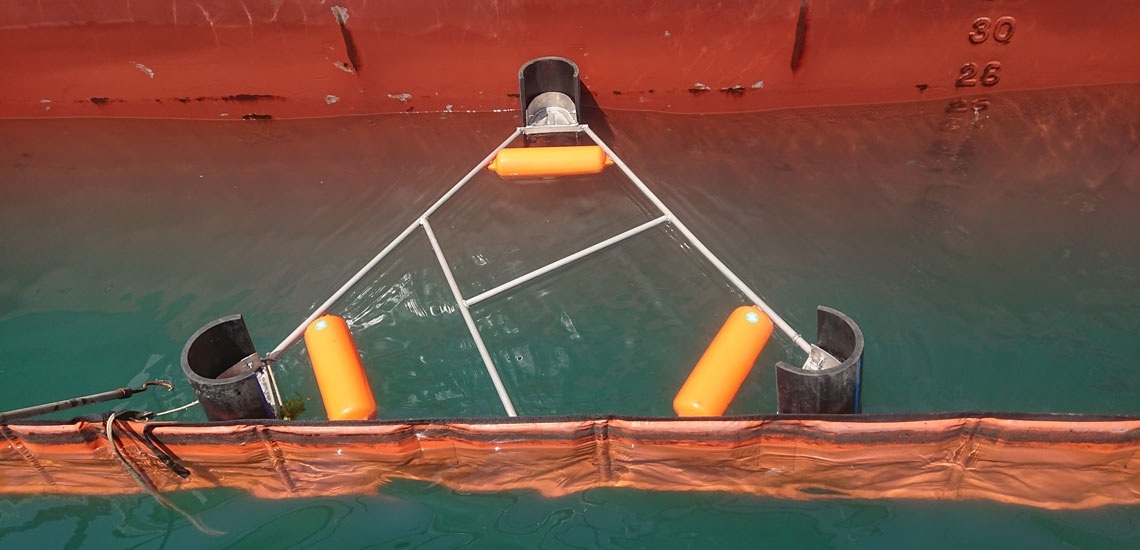
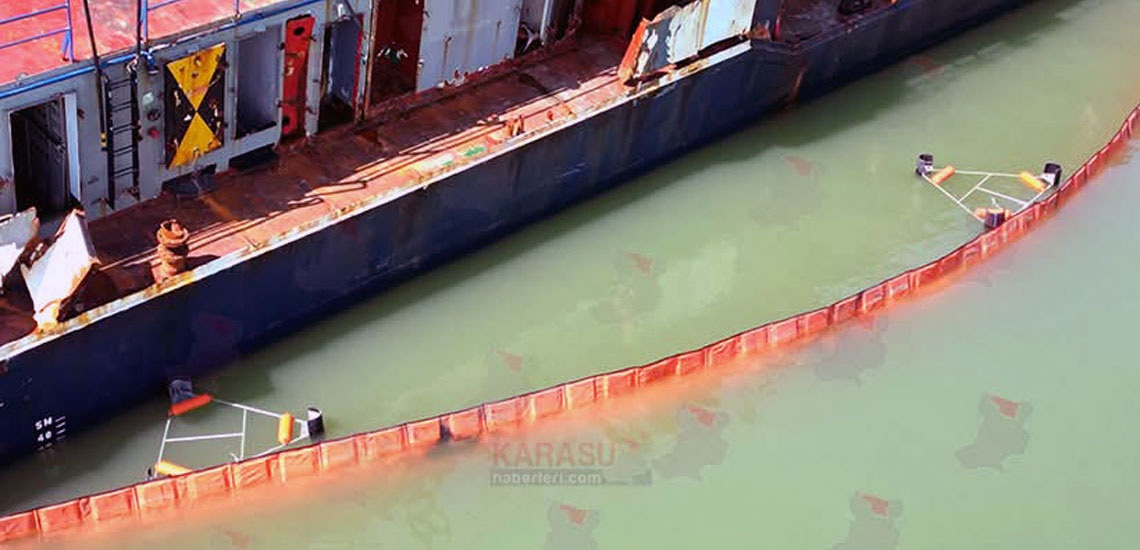
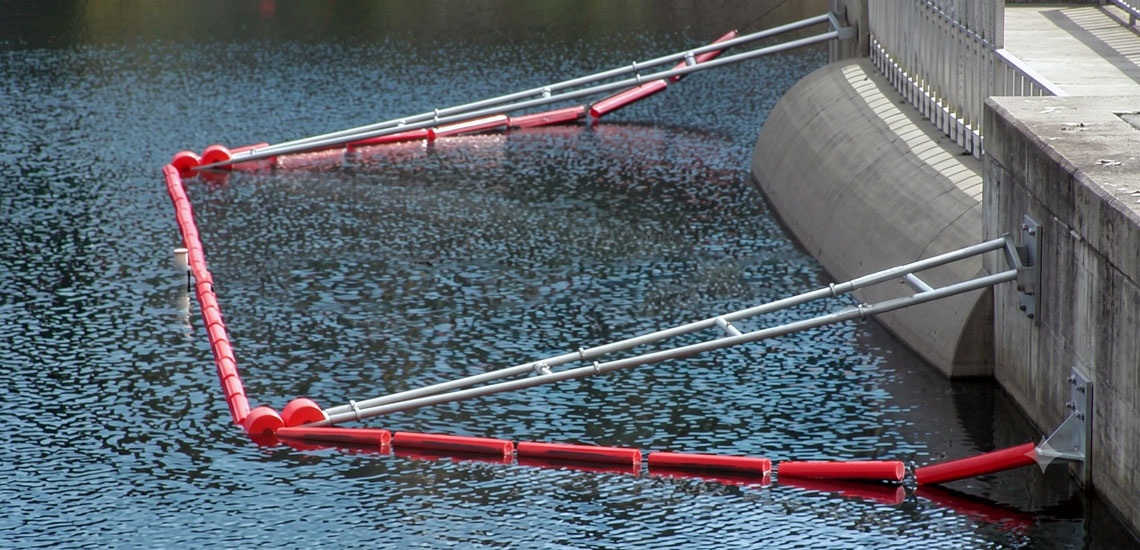
When you need to physically keep an oil containment boom pushed away from a solid structure like a ship’s hull, a dock, or a port wall, you are generally referring to a stand-off unit or an outrigger.
Keeping the boom at a safe distance is critical. If the boom rubs against the hull, it can chafe and tear. If it is too close to a port wall or dock, the changing tides can cause the boom to slip underneath the dock or get snagged on the pilings.
Depending on whether the boom is attached to a moving ship or a stationary dock, here is the equipment used:
1. Boom Stand-Off Units (or Stand-Off Brackets)
These are rigid spacing devices used primarily for stationary setups, such as when a vessel is docked for refuelling (bunkering) or for permanent port installations.
- How they work: They are usually made of floating metal brackets, arms, or spacers that attach to the dock or the side of the hull. They hold the boom a fixed distance away (often 3 to 5 feet).
- Why they are used: They create a “buffer zone” between the boom and the hard surface. This prevents the boom from grinding against the hull due to wave action, and stops oil from getting trapped in the narrow gap between the boom and the ship.
2. Outrigger Arms (or Jib Arms)
If you are on an Oil Spill Response Vessel (OSRV) that is moving through the water to sweep up a spill, you need to push the boom out wide from the ship’s hull to catch as much oil as possible.
- How they work: These are stiff mechanical poles or crane-like arms deployed directly from the deck of the ship. They reach out laterally over the water, holding the leading edge of the boom far away from the ship’s side.
- Why they are used: This allows a single ship to drive forward and sweep oil into a “J” shape or directly into a skimmer mounted on the side of the hull, without needing a second tow boat.